Training for your first half marathon: the twelve-week plan
Pick a race, get the right shoes, follow a schedule, show up rested: the steps to run your first 13.1 miles without getting hurt or giving up.

You promised yourself you'd run a half marathon. You even started, two or three times. Then came a busy week, some rain, a sore knee, and the motivation faded. 13.1 miles (21.1 km) still feels just as far away.
What's missing isn't willpower. It's a date, a schedule and runs that have their place on your calendar. Without them, training fizzles out by week three.
What really gets in the way
- No date, no urgency. "Someday I'll run a half" gets no one out the door in the rain.
- Doing too much too soon. Too fast, too far, and the injury shows up before the progress does.
- Not seeing how far you've come. With nothing to measure against, every run feels like the last one, and you lose heart.
The hard part isn't running. It's sticking with it for twelve weeks, one run after another.
With a plan, everything falls into place
Here is the training laid out by VoilaPlan: five steps, each with its time and budget.
What the plan changes: every run has its place in the week, and you watch the miles add up all the way to race day.
The five steps, in order
1. Pick a race and sign up
Signing up changes everything: you have a date, so you have a countdown. Most races take registration online, and the fee often goes up as race day gets closer. A local race saves you the travel and the hotel night. A big city race has a crowd that carries beginners along.
2. Shoes
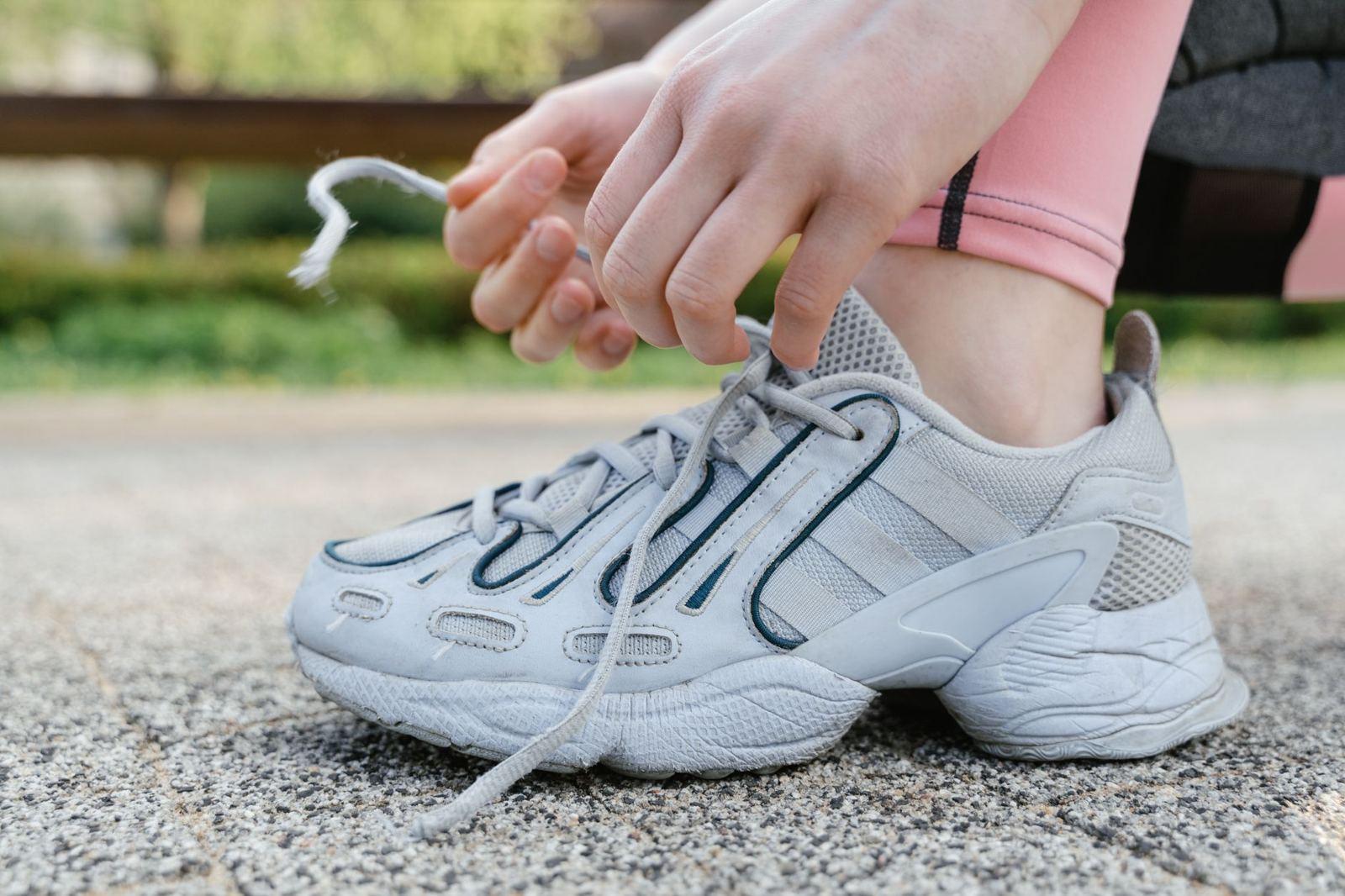
This is the only purchase that really matters. At a running store, you can try on several pairs, and staff often watch you run: the safer bet for a first pair. Online is cheaper if you already know your model. The shoes you have may be enough if they haven't seen much use.
Never wear them for the first time on race day.
3. The schedule
Three runs a week for twelve weeks. The idea is simple: add distance little by little, and keep rest days.
Block the time on your calendar like appointments. If you tend to skip workouts, a running club or group helps: you cancel less when people are waiting for you.
4. Training
This is where most of the time goes. Consistency matters more than intensity: three easy runs are better than one heroic one. Pain that lingers isn't normal: slow down, and see a doctor if it doesn't go away.
5. Race week
You don't get any fitter in the last week: you rest. Ease off your runs, pick up your bib, lay out your gear and plan your trip to the start the day before. Check the forecast so you can dress for it. Then start slower than you feel like going.
How long, and what budget?
In the plan drawn above, the budget comes to about $165, most of it for shoes, and it takes thirteen weeks: one to get organized, twelve to train.
Common questions
Can I train for a half starting from zero?
Yes, if you already run a little and your doctor has no objection. If you're starting from nothing, plan a few weeks of easy running before the twelve-week schedule.
What if I miss a week?
Don't try to make it all up at once: pick up where you left off. In VoilaPlan, the calendar adjusts on its own.
Do I need to run 13.1 miles before the race?
No, not for a first half marathon. Your long runs build up little by little; the race-day crowd does the rest.
What next?
With VoilaPlan, every run becomes a task to check off, race week is already on the calendar, and you watch your progress climb all the way to the finish line.